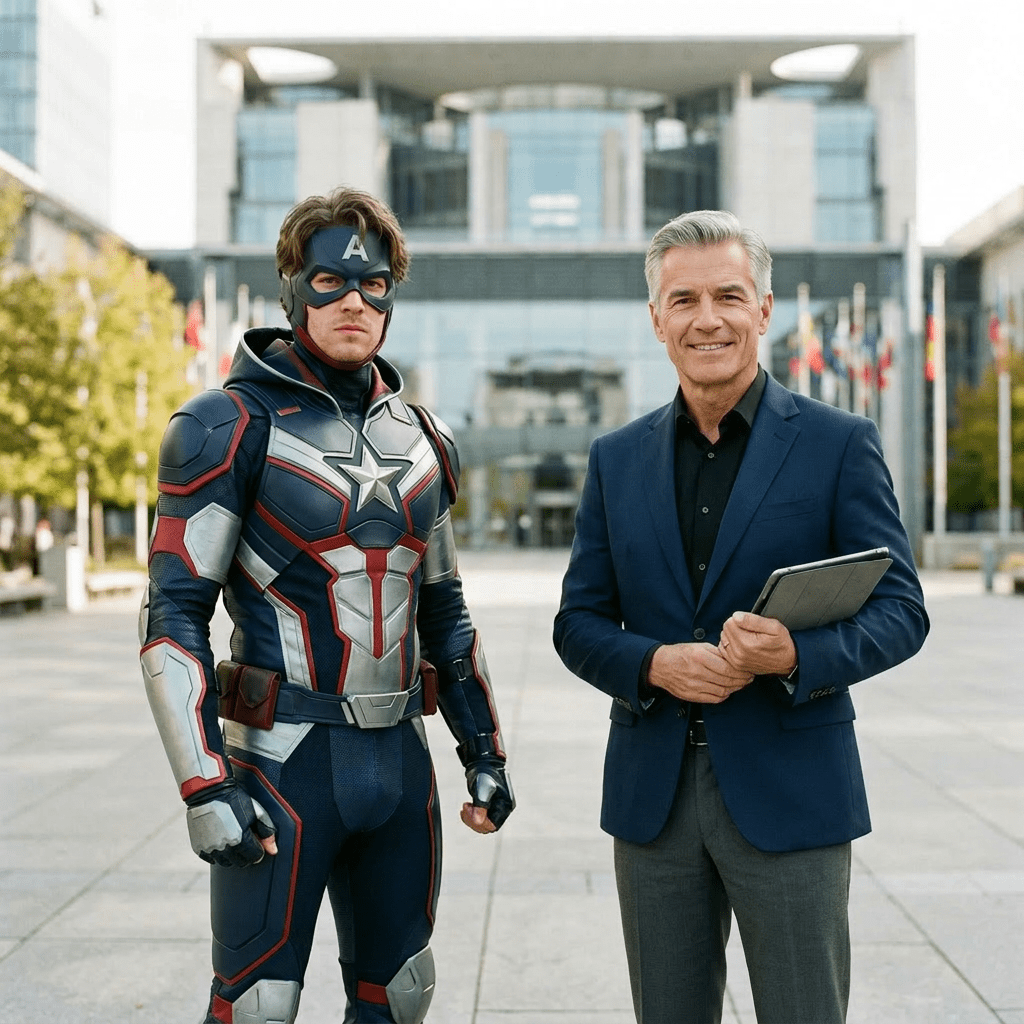
“With great power comes great responsibility”
This is the last line in the 1st installment of Sam Raimi’s Spiderman franchise. This statement would seal my commitment to the remainder of the Marvel Comics movie adaptations for the next two decades all the way to Black Panther. The Christopher Nolan “Batman” Dark Knight series did not disappoint either.
Thomas Wayne: “Why do we fall?”
Bruce Wayne: “So we can learn to pick ourselves up.”
These words inspired me as I came into my own as a young man. They made their way into my psyche such that I would use them as anchors in my journey towards being more responsible for myself and more collaborative at work. It even inspired me to be more available as a brother, friend and acquaintance. At the root of these statements was an appeal to the Jesuit formation of my teenage years; sacrifice. Eventually, I tapped out. I had been enamored at the prospect of enduring sacrifice. What is a hero without sacrifice?
Heroic ideation is pretty common in young men. Is there a correlation between a feeling of being disempowered and wanting the power that comes from being the guy who saves the day? Is there something redemptive about wanting to show up for others in the noblest way? Does being a hero satisfy a truly noble urge in boys and young men?
Carl Jung may agree. When you see his writings on the journey of the hero and the role of the shadow in a hero’s development, you get the sense that heroism is a natural rite of passage for a young man.
However, in all my studies and reflections on heroism it only ever seemed the outcome of constructive introspection and affirmed personalization. Heroism is personal. The journey through the unknown eventually leads back to himself as the fulcrum of purpose. At least, this was the case with me. It is not that is entirely selfish but that it is highly self-serving especially psychologically. Not in a way that may be visible to others. The crux of this write-up is that despite how noble the feeling of heroism is, functional environments run on astute leadership over heroism.
Despite the high stakes, the occasions in life that require heroism are not as frequent even though they have a huge impact on the elements involved:
- That opportunity to save a falling baby.
- Pulling a cat out of a burning building
- Catching up to the pickpocket who just ran off with the old person’s wallet.
High impact. Not as frequent. Good leadership on the other hand is more continuous. The leader assesses the stakes and most often that not, seeks out the hero. The hero is inspired by being needed. The leader knows what is needed while knowing he does not need to be the one to get it done in order for the need to be met. He does not need to be inspired by a noble drive. He opts to address a stituation with the right remedy because he is able to see outside of his intrinsic utility for solutions.
Most young men are better served preparing to be leaders instead of dreaming of being heroes. The constant feeding of heroic fantasy is leading young men with potential in the direction of worshiping the fantasy of heroes in fiction and sometimes in real life.
- Getting a group together for beach volleyball, softball or basketball
- Asking people of different skillsets to collaborate on a project or a task that benefits all.
- Getting your family to stay in the same room for longer than an hour
Does being a hero, conflict with being a leader?
It does not. In fact, being a leader is up the ladder of growth after affirming one’s capacity for heroism. In the Marvel universe, there is the character of Nick Fury, who rallies the Avengers on their missions. He has no super powers and is even blind in one eye but he knows just which superheroes are right the different missions or quests.
It is quite common for a young man to go through his hero ideation stage and discover a healthy sense of himself. Ironically, the heroic integration of a young man may come with a lot of situations of him feeling used or being used. As humans we are meant to serve others and at times one may feel used. But the hero and the leader have different perspectives on utility and service.
The hero embraces responsibility for his ability and is willing go above and beyond at the expense of his convenience. The leader embraces the opportunity and responsibility of others to get the job done – unless his ability surpasses that of others. The leader sees beyond his abilities to follow through on a plan. The hero thinks his ability is the plan.
In life, we live and work with people of varying gifts and abilities. We are surrounded by opportunities and responsibilities. Opportunity requires capacity. Responsibility comes with maturity. For the hero, he peaks at assuming his responsibility. For the leader, he recognizes the hero’s ability but he focuses on availability. Heroes and leaders are not diametrically opposed to each other but leaders are better optimized for the everyday experience of life.
by Julian Michael Yong.


Leave a Reply